

Considering a new build vs established investment property? New builds and established properties each win on different measures. The question isn’t which is better overall, but which is better for you.
A new property may offer lower maintenance, modern features and stronger depreciation opportunities. An established property may provide rental income sooner, access to established locations and scope to renovate. The right choice depends on your budget, timeframe, goals and comfort with risk.
At Locale Wealth, we look beyond a property’s age. We take the time to understand your goals, then consider the property’s total cost, rental demand, location, likely holding costs and role in a plan built for your future. The strategy comes before the property.
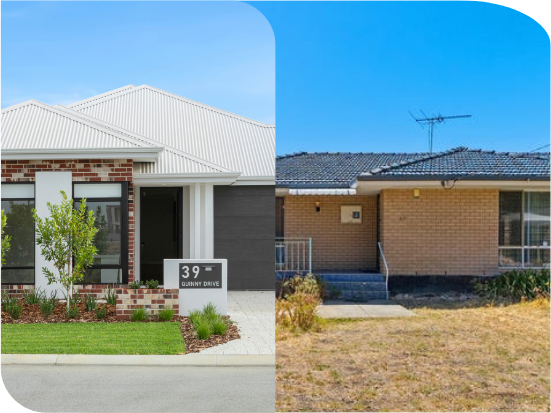
The short version: New or established?
- A new build may mean fewer repairs in the first few years, up-to-date design and fittings, and more scope to claim depreciation and other tax deductions, depending on your circumstances.
- An established property may allow you to secure tenants and begin collecting rent earlier.
- House and land purchases can have different stamp duty implications, depending on the state and contract structure.
- New builds carry construction risks, including delays, cost changes and builder-related issues.
- Established properties may need repairs, but they can offer renovation or redevelopment potential.
- New estates and established suburbs can both perform well when the local fundamentals support them.
- The right option depends on your finances, timeframe, risk tolerance and long-term property strategy.
Tax, lending and legal outcomes vary between investors. Speak with qualified advisers before making decisions based on your circumstances.
What is the difference between a new build and an established investment property?

A new-build investment property is a home that will be constructed as part of the purchase.
This may include:
- A house and land package
- A turnkey home
- An apartment or townhouse bought before or during construction
The buying process varies. A house and land package may involve one contract for the land and another for construction.
An established investment property has previously been owned or occupied. It could be a near-new home or a house that has stood for several decades.
Established does not mean run-down. New does not mean free from problems. Both require research and due diligence before you commit.
New build vs established investment property at a glance
| Factor | New build | Established property |
|---|---|---|
| Rental income | Starts after construction is complete and the property is ready for tenants | May begin soon after settlement |
| Maintenance | Generally lower during the early years due to modern building standards and applicable warranties | Depends on age and condition |
| Depreciation | Generally provides greater opportunities | Some deductions may still be available |
| Tenant appeal | Modern layouts, fittings and energy features | Depends on condition, features and location |
| Location | Often found in new estates and growth areas | More options in established suburbs |
| Value-add potential | Options can be added as upgrades prior to building | Renovation or redevelopment may be possible |
| Main risks | Builder, contract, cost and construction delays | Defects, repairs and renovation costs |
| Tax considerations | Offers greater depreciation opportunities. Negative gearing and CGT depend on current tax law and your circumstances. | Depreciation opportunities depend on the property. Negative gearing and CGT depend on current tax law and your circumstances. |
This table gives you a starting point. The details of the property and location will matter more than the label attached to it.
Comparing the upfront costs

The advertised price rarely tells you the full amount needed to purchase and prepare an investment property.
For either option, you may need to budget for:
- A deposit
- Stamp duty
- Conveyancing and legal fees
- Loan fees and interest
- Property management and leasing costs
- Insurance
- Inspections
- Initial holding costs
A new build may include extra costs for site works, design changes, landscaping, fencing, window coverings, flooring and air conditioning.
Building contracts and inclusions can be difficult to navigate. Locale Wealth can walk you through the commercial inclusions before you sign, help you identify possible gaps and flag questions to raise with the builder. A low starting price can become much higher once you add necessary finishes and site-specific work.
For an established property, allow for inspections, repairs, replacement appliances and any updates needed before leasing.
Compare the total cost of getting each property ready to rent. This gives you a much clearer picture than comparing purchase prices alone.
Stamp duty when buying house and land
A house and land purchase may have different stamp duty implications from buying a completed home.
When you purchase vacant land and enter a separate building contract, stamp duty may apply to the land value rather than the future value of the completed property. The treatment depends on the state, transaction structure and timing of the contracts.
Do not assume that every house and land purchase produces the same saving. Locale Wealth can help you understand how the purchase is structured and coordinate with qualified professionals, but you should confirm the current rules with the relevant state revenue office and seek personal tax or legal advice.
How soon could the property start earning rent?

An established property can often be leased soon after settlement. A new build will not produce rental income until construction finishes and the property is ready for tenants.
You need to account for that gap in your cash-flow plan, including the interest and holding costs you may need to cover before rent begins.
The wait for a new property
Construction involves more than the time spent building the house. Your timeline may include:
- Land registration
- Planning and building approvals
- Site preparation
- Builder scheduling
- Construction
- Inspections and defect rectification
- Landscaping and final rental preparation
Weather, labour availability, material shortages and builder capacity can extend the timeframe. You may need to cover interest and other holding costs while receiving no rent.
Ask for a realistic timeline and allow room for delays. Base your calculations on a cautious estimate rather than the earliest possible completion date.
Buying an established property with tenants in place
An established property may have tenants when you purchase it. If it sits vacant, you may still be able to advertise it soon after settlement.
Existing tenants can provide immediate income, but you should review the tenancy before relying on it. Check the lease term, current rent, payment history and property condition.
Compare the rent with similar local properties as well. The existing amount could sit above or below the current market.
Depreciation and tax considerations
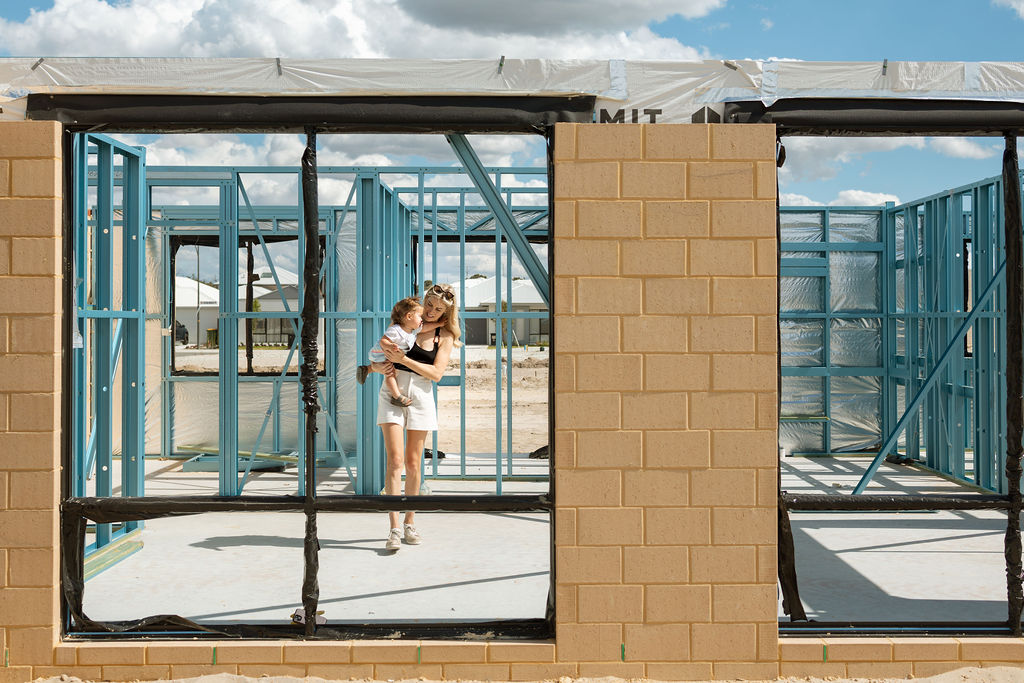
Depreciation allows property investors to claim deductions for the decline in value of eligible building components, fixtures and fittings.
New properties provide greater depreciation opportunities because the building and its assets are new. An established property may still have eligible deductions, depending on its age, improvements and previous use.
Tax benefits should support a suitable investment.
Negative gearing generally occurs when deductible property expenses exceed rental income, creating a net rental loss. Capital Gains Tax (CGT) may apply when you sell an investment property. The outcome can depend on current tax law (particularly as negative gearing rules changed in 2026), your ownership period, the property’s cost base, improvements and deductions claimed. A large deduction does not fix weak rental demand, excessive supply or an inflated purchase price.
Ask a qualified accountant how property investment may affect your tax position. A tax depreciation specialist can assess the property and prepare a schedule where appropriate.
Locale Wealth does not provide personal tax advice, but we can coordinate with qualified professionals as part of the wider investment process. We will also introduce you to a specialist partner who can prepare a depreciation schedule where appropriate.
Maintenance, repairs and unexpected costs
Maintenance affects your cash flow, your tenants’ experience and the long-term condition of the property.
New homes often require fewer major repairs during their early years. New appliances, plumbing, electrical systems and building materials should have more useful life remaining than older equivalents.
New properties can still have defects. Check the builder’s warranty and defect process, and arrange suitable inspections during construction and before handover.
You can inspect an established home before buying, although building and pest reports cannot identify every risk.
Look closely at the age and condition of:
- The roof
- Plumbing and electrical systems
- Hot-water systems
- Heating and cooling
- Kitchens and bathrooms
- Flooring
- Retaining walls
- Drainage
- Fences and outdoor areas
An older property can still make a sound investment when its condition and likely repair costs are reflected in the price and your budget.
What do tenants want from an investment property?
Tenants tend to care about whether a property suits their needs, works well and sits near the places they use. Its age forms only one part of that decision.
A new home may appeal to tenants through:
- Modern kitchens and bathrooms
- Practical floorplans
- Heating and cooling
- Better insulation
- Energy-efficient appliances
- Storage and parking
- Low-maintenance outdoor areas
These features can help a property compete, but a new home does not guarantee rental demand.

An established property may offer a larger block, bigger rooms or better access to work, schools, shops and transport.
Match the property to local tenants. Different areas attract renters with different needs.
Locale Wealth reviews vacancy rates, comparable rents, tenant demographics, employment and competing rental supply before assessing an opportunity.
Established suburb or emerging growth area?
New builds often sit in growth areas, while established properties offer existing infrastructure and a longer sales and rental history.
Neither location type deserves automatic preference.
In an emerging area, we look at:
- Population and household growth
- Local employment
- Planned infrastructure
- Access to schools, shops and transport
- Current and future housing supply
- Land-release pipelines
- Rental demand
- Competing developments
Planned infrastructure may support an area, but projects can change or face delays.

Supply also matters. If several estates release similar homes at once, investors may compete for tenants and future buyers. This can place pressure on rents and resale values.
Established areas offer more historical evidence, but investors still need to assess affordability, demand, housing condition and price.
We do not call an area an investment hotspot based on one statistic. We assess the wider evidence, the risks and how the location fits your strategy.
Can you add value to the property?
Established properties may give you more ways to improve the home and increase its rental appeal.
Possible options include:
- Cosmetic renovations
- New flooring or paint
- Kitchen and bathroom upgrades
- Better outdoor areas
- Adding a bedroom or living space
- Building a granny flat where permitted
- Subdivision or redevelopment
Renovation costs can grow once you include trades, materials, approvals and holding costs. Some improvements will not produce enough extra rent or value.

Any renovation should have a clear purpose and realistic numbers behind it.
New builds tend to offer less immediate value-add potential. However, you may have some control over the floorplan, finishes and inclusions before construction begins.
Choose features that suit local tenants and your budget. An investor does not need to personalise the property as they would their own home.
What are the risks of buying a new-build investment property?
The main risks include construction delays, cost changes, builder problems, contract limitations, poor workmanship and buying in an area with too much competing supply.
Before entering a building contract, consider:
- The builder’s experience and financial stability
- Construction quality
- Insurance and warranty arrangements
- Proposed timeframes
- Site-cost allowances
- Provisional sums
- Price-rise clauses
- Variations
- Inclusions and exclusions
- Delay provisions
- The process for identifying and fixing defects
Compare each builder’s materials, allowances and finishes rather than relying on the advertised price.
Independent contract and legal advice can help you understand your rights and obligations. Building inspections can also help identify workmanship issues at key stages. Locale Wealth works with a panel of vetted builders and reviews the protections each builder offers. Where a contract includes a price-hold guarantee or stated build timeframe, we help you understand what it covers, its conditions and its limits. This can give you more confidence before you commit, but it cannot remove construction risk.
What are the risks of buying an established investment property?
An established property may come with hidden defects, higher repair costs, dated features or poor energy efficiency.
Common risks include:
- Structural or pest damage
- Plumbing and electrical problems
- Deferred maintenance
- Expensive repairs after settlement
- Unapproved building work
- Poorly completed renovations
- Features that no longer suit local tenants
- Renovation costs that exceed the value created
Investors can also overpay for a familiar or popular suburb. A good postcode does not make every property within it a good investment.
Review the property’s condition, land, layout, rental appeal and price against recent comparable sales. Factor likely repairs into your cash-flow calculations before you make an offer.
Which option may suit your investment strategy?

A new build may be worth considering if you:
- Prefer lower early maintenance requirements
- Want modern features and energy efficiency
- Can manage a period without rental income
- Want access to potential depreciation benefits
- Find an area with sound demand and controlled housing supply
- Prefer a property that needs less immediate hands-on work
An established property may be worth considering if you:
- Want the opportunity to receive rent sooner
- Prefer a location with existing infrastructure
- Can budget for repairs and maintenance
- Want renovation or redevelopment potential
- Find a property priced in line with its condition
- Have the time and funds to manage improvements
These points provide general guidance. Your finances, borrowing position, timeframe, risk tolerance and existing portfolio will affect which option may suit you.
Questions to ask before choosing either option
Before you commit, ask:
- What will the property cost once it is ready for tenants?
- When could it start producing rent?
- Can I manage construction delays or unexpected repairs?
- Who is likely to rent the property?
- What evidence supports local rental demand?
- How much competing housing is planned?
- What maintenance should I expect?
- Does the property support my cash-flow and growth goals?
- What could affect the location’s future demand?
- How would this purchase affect my ability to invest again?
- Have qualified advisers reviewed the finance, tax, legal and contract matters?
A property can look appealing on its own while creating problems for your wider portfolio. Consider the next purchase as well as the one in front of you.

A property should fit the plan
The choice between a new build vs established investment property is not always easy, as each have their own strengths and risks. A new property may provide modern features, lower early maintenance and stronger depreciation opportunities. An established home may offer faster rental income, a proven location and more ways to add value.
Compare the total cost, rental demand, housing supply, maintenance requirements and major risks. Property age alone will not tell you whether an opportunity supports your goals.
Locale Wealth starts with your goals and creates a tailored Financial Freedom Game Plan before researching suitable opportunities. We compare new-build and established properties against your financial position, timeframe and long-term strategy, then complete the research and due diligence before you commit.
Want to compare your property investment options? Discuss your property strategy with Locale Wealth today.